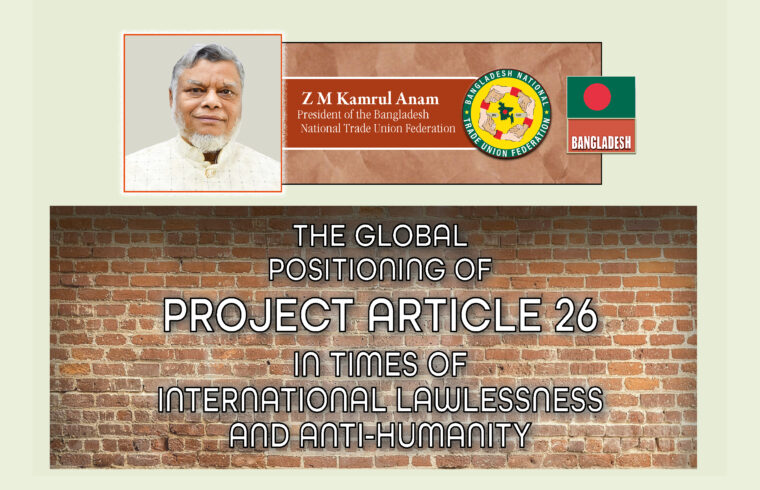
ZMKamrul Anam
President of the Bangladesh National Trade Union Federation
- Introduction:
The Current Climate
- Growing Lawlessness: There is a significant increase in lawlessness across society, communities, and industries due to a general disregard for the law.
- Key Issues in Bangladesh’s
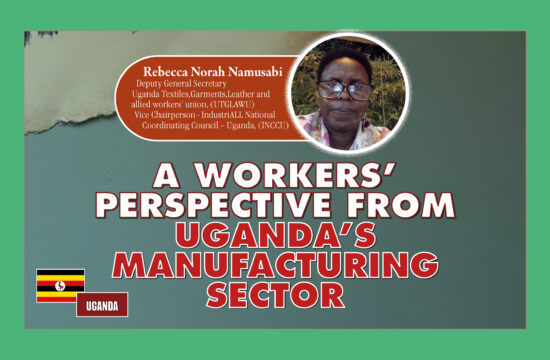
Textile & RMG Sector
The Ready-Made Garment (RMG) and textile sectors face critical systemic failures regarding worker rights and safety:
- Labor Rights & Wages: Lack of established Trade Union rights, no right to strike, and an absence of living wages.
- Safety & Oversight: No Occupational Safety and Health (OSH) or environmental rights, coupled with an inadequate inspection system.
- Social Security: Absence of provident fund schemes, employment injury schemes, and job security.
- Inequality & Policy: Lack of gender policies, discrimination in maternity benefits, and no dedicated initiatives against Gender-Based Violence (GBV).
- Global Standards: Failure to ratify ILO Conventions C190 (Violence and Harassment) and C183 (Maternity Protection).
III. Implementation Gaps
- Monitoring: There is no effective system to monitor the implementation of existing labor laws.
- Support & Training: Workers lack access to housing, welfare facilities, Trade Union education, and training for climate-just transitions to alternative jobs.
- Recommendations for
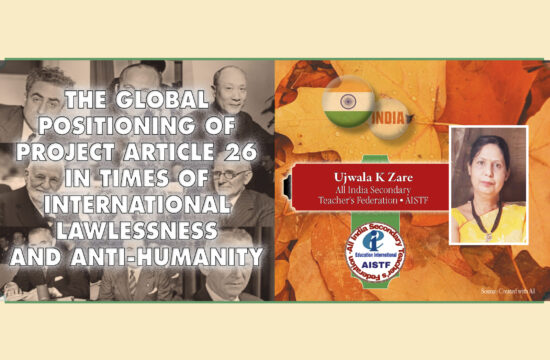
Project Article 26
To address these challenges, the following actions are proposed:
- Reclaim Moral Authority: Re-establish the authority of the Universal Declaration of Human Rights.
- Strengthen Alliances: Build stronger transnational civil alliances and Trade Unions both locally and globally.
- Grassroots Connection: Link global governance reforms directly with grassroots labor movements and educators.
- Empowerment Through Education: Promote education as a tool for democratic empowerment and practice at every level.
- Organizational Action: Form dedicated country and global committees to lead joint action and campaign activities.